
The BARRE ALTAR Philosophy
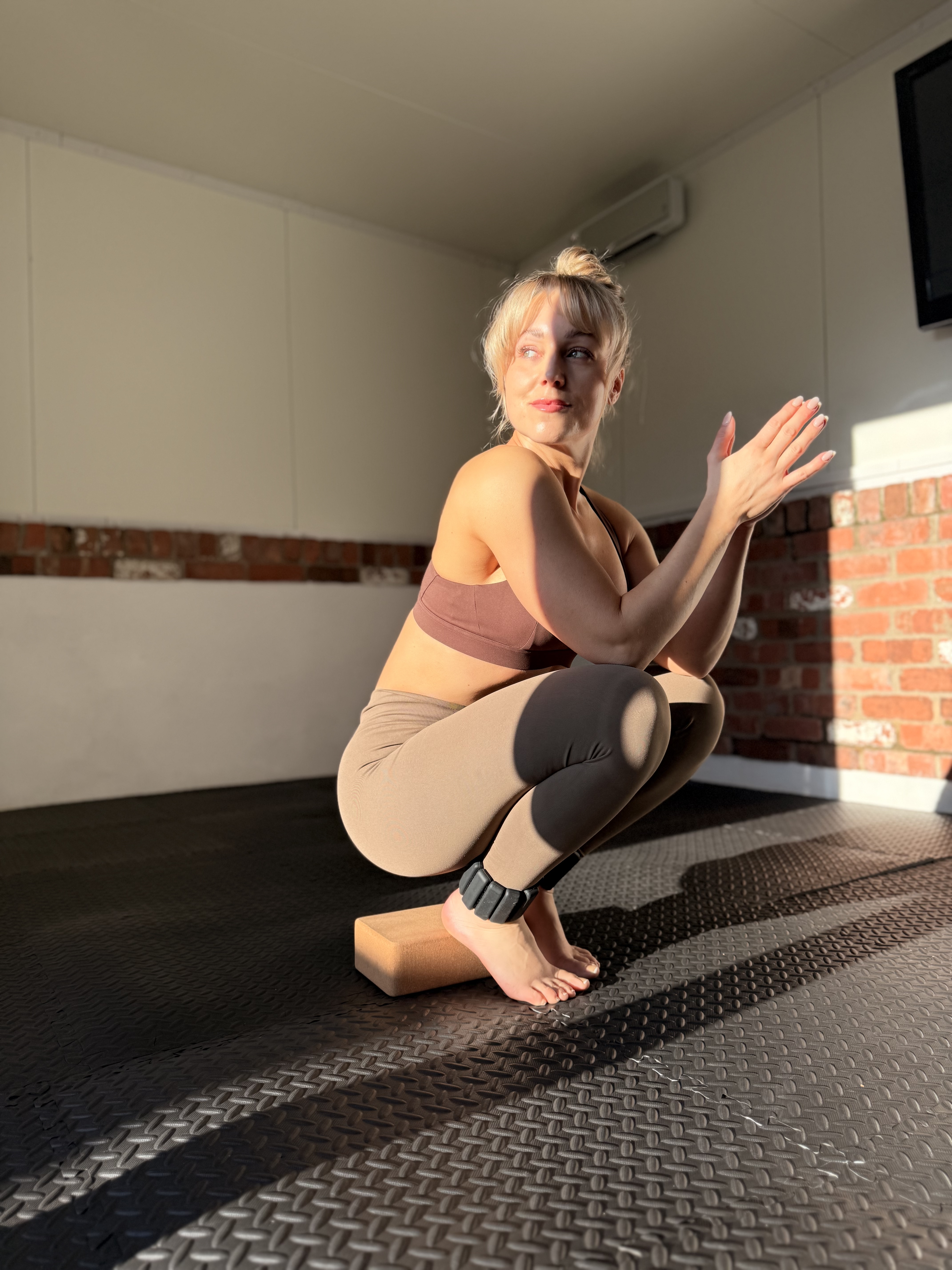
1. The body is not a tool. It is a temple. We reject the idea of the body as an object to conquer, correct, or perfect. The body is a living altar—worthy of presence, reverence, and return.
2. Movement is a form of devotion. Every pulse, shake, hold, and release is a prayer.We move not to punish the body, but to listen to it.Not to burn it down, but to tend its flame.
3. The body is not meant to be altered before it is honored. Transformation without reverence is punishment. At BODY ALTAR, change arises as a byproduct of care, not contempt. We honour the body as it is before asking it to become anything else.
4. Returning to the body is a radical act. In a culture that profits from disembodiment, choosing to feel is rebellion.Choosing slowness, sensation, and self-trust is sovereignty.
5. Barre is not choreography here—it is conversation. Form is a framework, not a commandment. Precision exists to deepen sensation, not erase intuition.Your nervous system leads. The movement follows.
6. The altar lives in sensation, not appearance. We do not measure worth in mirrors, calories, or numbers. We measure it in breath, warmth, trembling, steadiness, and release.What you feel matters more than how you look.
7. Strength and softness are not opposites. We train resilience without rigidity. We cultivate power that can yield, shake, rest, and begin again. True strength includes the capacity to receive.
8. The body remembers—and movement is how it speaks. Muscles hold stories. Fascia carries history. Through somatic awareness, we let the body finish what it never got to say. Nothing is forced. Everything is invited.
9. This is a practice of return, not escape.We do not leave the body to transcend it. We come home to it—again and again—until home feels familiar.
10. Discipline here is devotion, not control. We show up not because we are ashamed, but because the body is worthy of consistency and care. Routine becomes ritual when presence is involved.
11. Autonomy is sacred. There is no “right” body in this room. No hierarchy of flexibility, strength, or endurance. Your pace, your modifications, your boundaries are holy.
12. The body is an altar, not a project.It does not exist to be endlessly fixed. It exists to be lived with, listened to, and worshipped within.
13. To inhabit your skin is a form of liberation.To feel yourself fully is to reclaim what the world asks you to abandon.BODY ALTAR exists to support that reclamation—through movement, breath, and reverence.
14. We practice so that life feels more inhabitable.This is not about performance.This is about capacity—for sensation, for joy, for grief, for aliveness. So you can meet your life with a body that feels like home.
15. Practice is ritual, not routine. Movement here is an act of devotion. Repetition becomes prayer when met with attention. We practice not to perfect the body, but to return to it.


Comments